


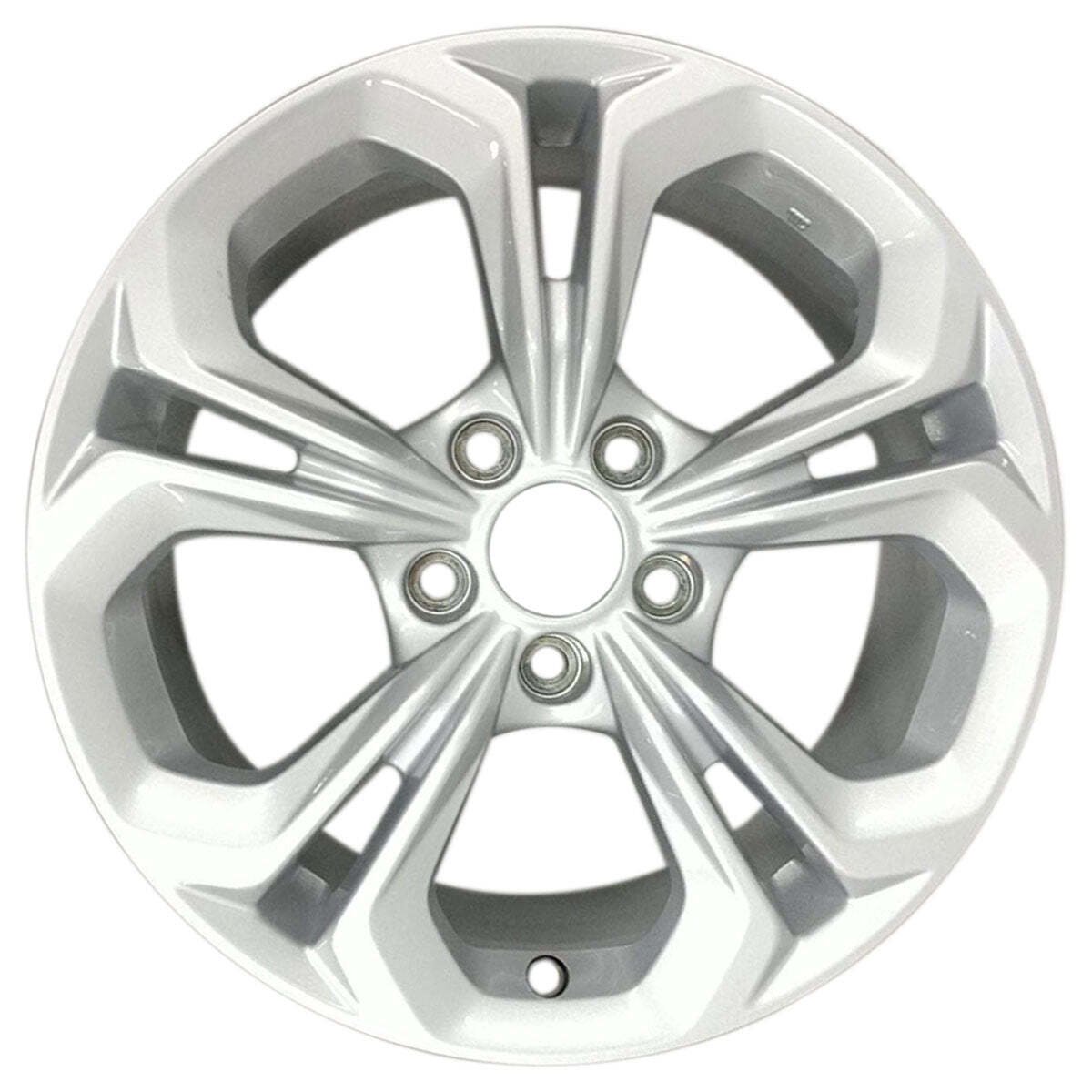
Wheels that look right can still fail to fit. Getting Honda Accord wheel fitment right means matching five numbers. Check each one before you order, and you avoid returns and wasted shipping.
Quick Reference | Honda Accord wheel fitment
| Spec | Typical Honda Accord value | Where to check |
|---|---|---|
| Bolt pattern | 5×114.3 mm (5×4.5 in) | Owner’s manual, old wheel |
| Center bore | 64.1 mm | Wheel back, or a parts listing |
| Lug thread | 12 x 1.5 | Owner’s manual |
| Lug nut torque | About 80 lb-ft | Owner’s manual |
| Wheel size and offset | Varies by year and trim | Stamped on the back of your wheel |
Always confirm these in your owner’s manual, because specs can differ between generations and trims.
1. Bolt Pattern
Modern Accords use a 5×114.3 mm pattern: five bolts on a 114.3 mm circle. If the pattern doesn’t match, the wheel won’t mount safely, however close it looks.
2. Center Bore
Honda hubs commonly use a 64.1 mm center bore. A wheel with a larger bore needs hub-centric rings to center it on the hub. Without them, you may feel vibration at speed.
3. Find Your Factory Wheel Size
Wheel sizes vary by year and trim, so start from your own car:
- Open the driver’s door and find the tire placard in the jamb. It lists the factory tire size and pressure.
- Read the numbers on your tire’s sidewall, such as 235/40R19. The first number is the width in millimeters, the second is the sidewall height as a percentage of the width, and the last is the wheel diameter in inches.
- Look at the back of an existing wheel for its width and offset (ET).
4. Offset
Offset is the distance from the wheel’s mounting surface to its centerline, in millimeters. A higher number tucks the wheel inward. A lower number pushes it outward.
- Too much offset: the wheel can rub the suspension or brakes.
- Too little: the wheel sticks out and may rub the fender.
Stay close to your original offset unless you’ve checked clearance.
5. Diameter, Width and Tire Size | Honda Accord wheel fitment
If you move up in diameter, choose a tire with a shorter sidewall, so the overall tire diameter stays within about three percent of stock. That keeps the speedometer accurate. Wider wheels also change ride quality and tire cost. Browse wheels and tires for your car.
Brake Clearance | Honda Accord wheel fitment
Some wheels have spokes or inner barrels that clear small brakes but not larger ones. This matters more if you’ve upgraded your brakes. Our brake pad guide explains how brakes differ, so check the clearance before you buy.
Accord or Accord Crosstour?
The Accord Crosstour is a separate model. Parts for it, such as the 10-12 Honda Accord Crosstour wheel rim, are listed under their own name. Make sure the listing matches your car before you order.
Lug Hardware and Torque
Aftermarket wheels often need a specific lug nut seat style, so use the nuts the wheel maker specifies. Tighten them with a torque wrench, in a star pattern, and recheck after the first drive.
Don’t Forget | Honda Accord wheel fitment
- TPMS sensors: move your sensors to the new wheels, or buy new ones, so the warning light stays off.
- Tire load rating: tires must carry your car’s weight.
- Alignment: book one after changing wheel or suspension setups. See our coilovers vs lowering springs guide if you’re lowering the car.
Fitment Checklist | Honda Accord wheel fitment
- Bolt pattern: 5×114.3
- Center bore: 64.1 mm, or hub rings
- Offset close to stock
- Diameter and tire size checked
- Lug nuts that match the wheel seat
- TPMS sorted
- Brake clearance checked
Frequently Asked Questions
Do all Honda Accord wheels fit every year?
No. The bolt pattern is often shared, but offset, width and bore can vary. Confirm each listing’s years and trim.
Can I use a larger wheel on my Accord?
Usually yes, if the offset and tire size keep the overall diameter close to stock.
Do I need hub-centric rings?
Yes, if the wheel’s bore is larger than 64.1 mm.
Where do I find my Accord’s tire size?
It’s on the placard in the driver’s door jamb and on the tire sidewall.
See our fitment guide for the full process.