

PRL Titanium Turbo Inlet Pipe
Upgrade your turbocharged Accord with the PRL Titanium Turbo Inlet Pipe, engineered for smoother airflow and improved intake efficiency.
The factory inlet uses corrugated plastic and rubber sections that can disrupt airflow before reaching the turbocharger.
Therefore, this upgrade replaces those restrictive sections with motorsport-grade materials and a smoother internal pathway.
Moreover, the system is designed specifically for compatible 2018–2022 Honda Accord 2.0T applications.
Always verify your intake setup before ordering, because compatibility requires the PRL High Volume Intake system.
High-Flow Design and Improved Airflow
The PRL Titanium Turbo Inlet Pipe creates a smoother transition between the intake system and turbocharger compressor.
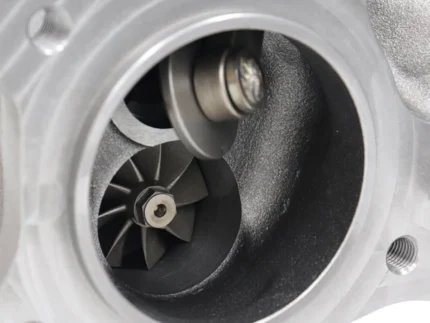
Furthermore, its port-matched inlet helps reduce turbulence before compressed air enters the turbocharger.
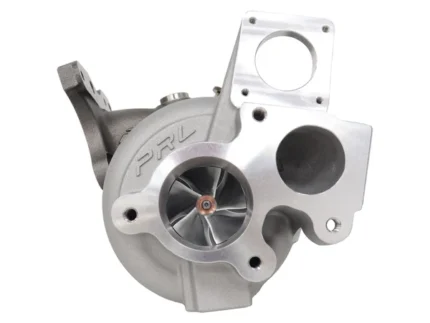
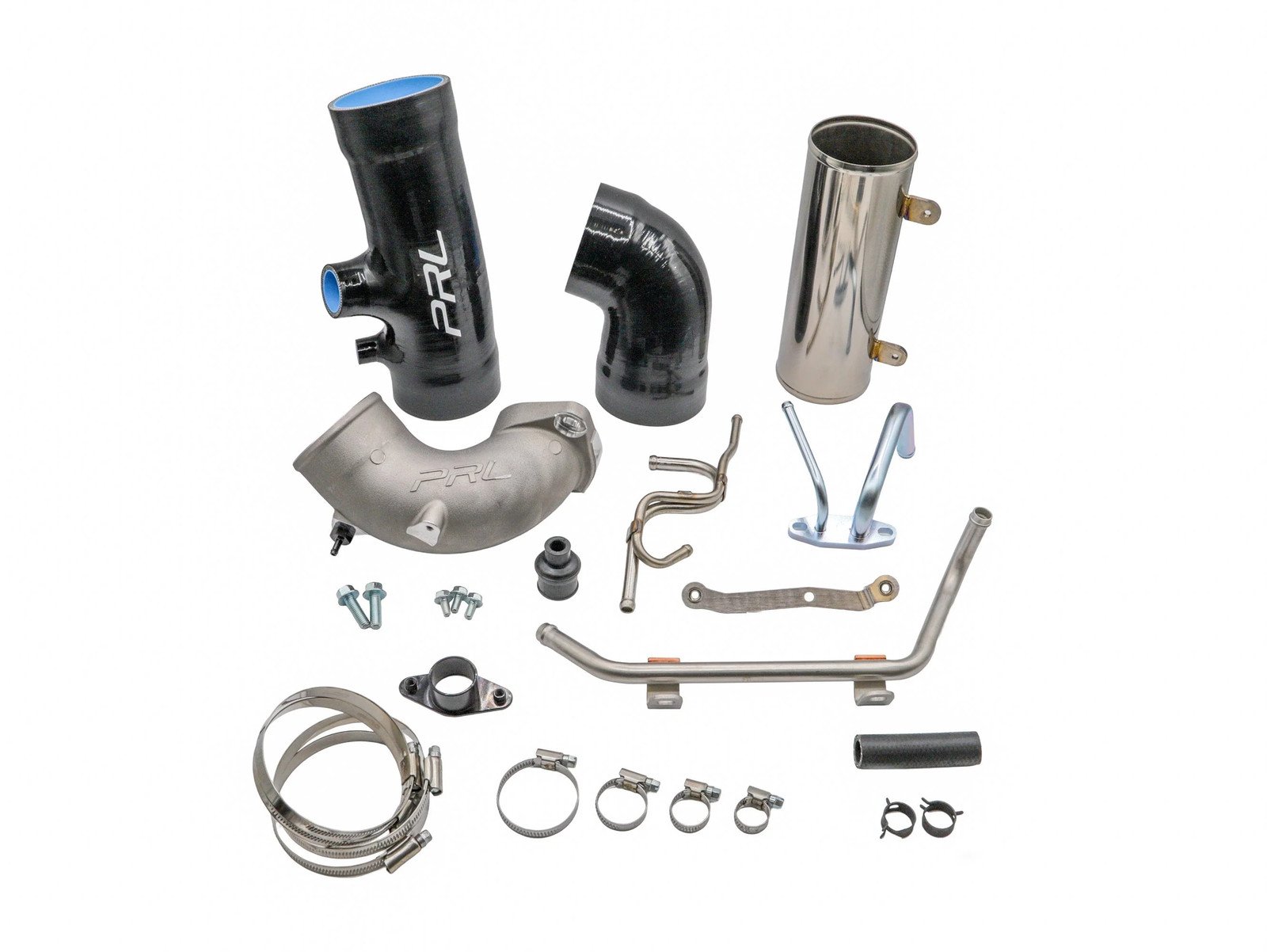
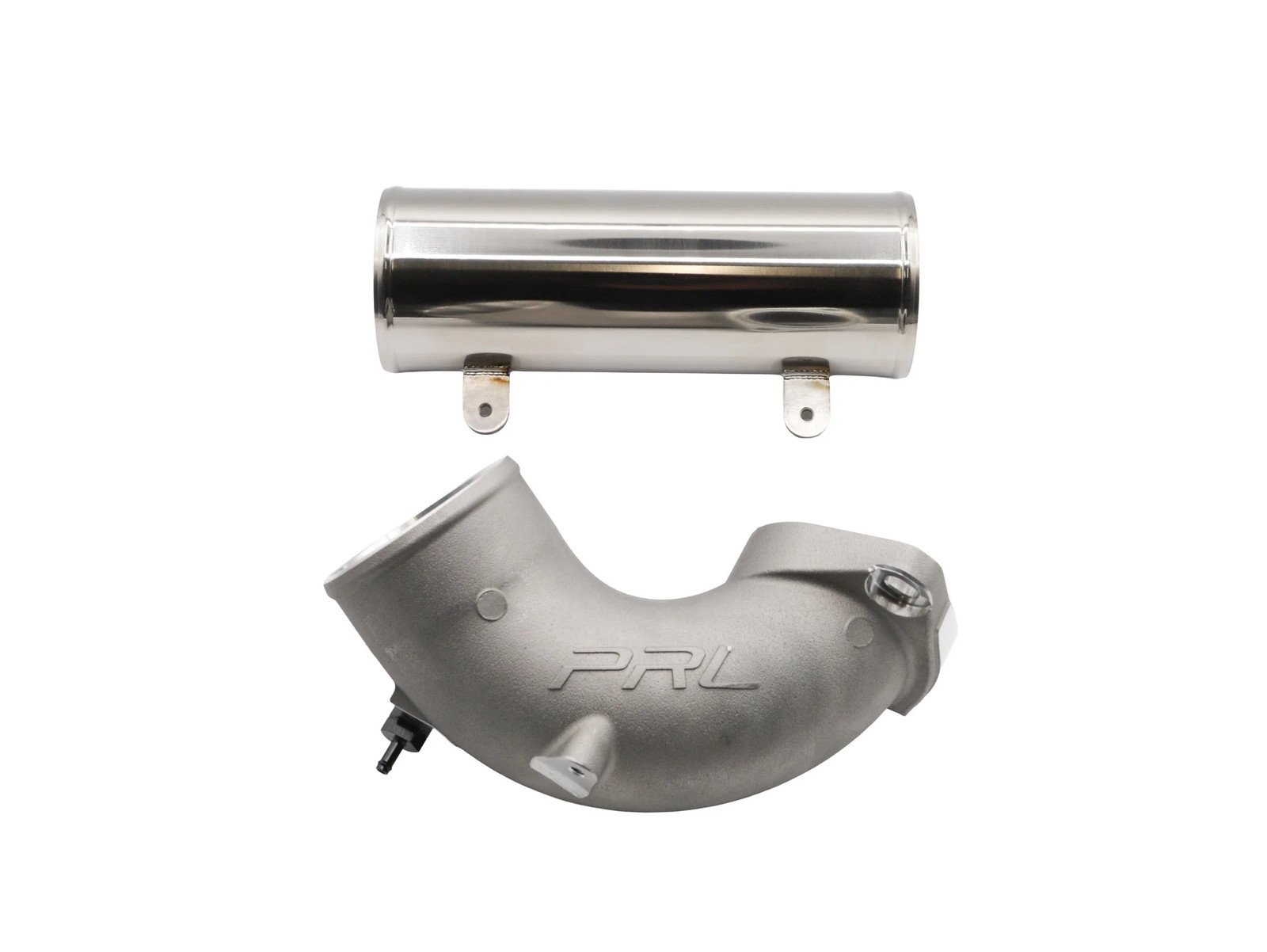
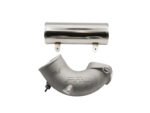
The cast 6061 aluminum inlet provides a smooth, port-matched transition into the compressor housing.
Additionally, the crossover pipe uses pie-cut titanium sections that support airflow, strength, and heat resistance.
Consequently, the redesigned pathway can help the turbocharger operate through a less restrictive intake route.
The increased crossover diameter also improves airflow capacity compared with the factory configuration.
Moreover, eliminating corrugated sections creates a cleaner and more efficient induction pathway.
This design can complement other performance modifications throughout the Accord’s turbocharged intake system.
Therefore, it is particularly suitable for enthusiasts building a more responsive and performance-focused setup.
Premium Materials and Factory-Style Installation
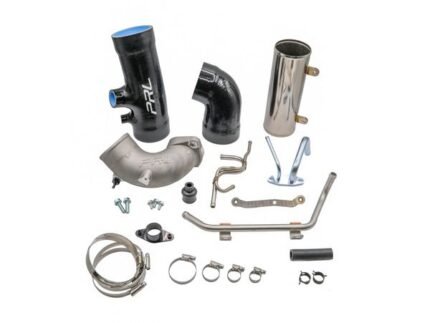
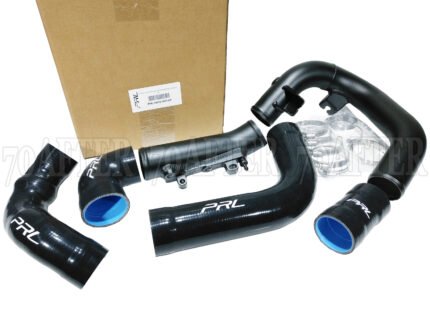
The PRL Titanium Turbo Inlet Pipe combines titanium, cast aluminum, stainless steel, silicone, and engineered plastic components.
Furthermore, TIG-welded titanium provides excellent strength while maintaining resistance to high engine-bay temperatures.
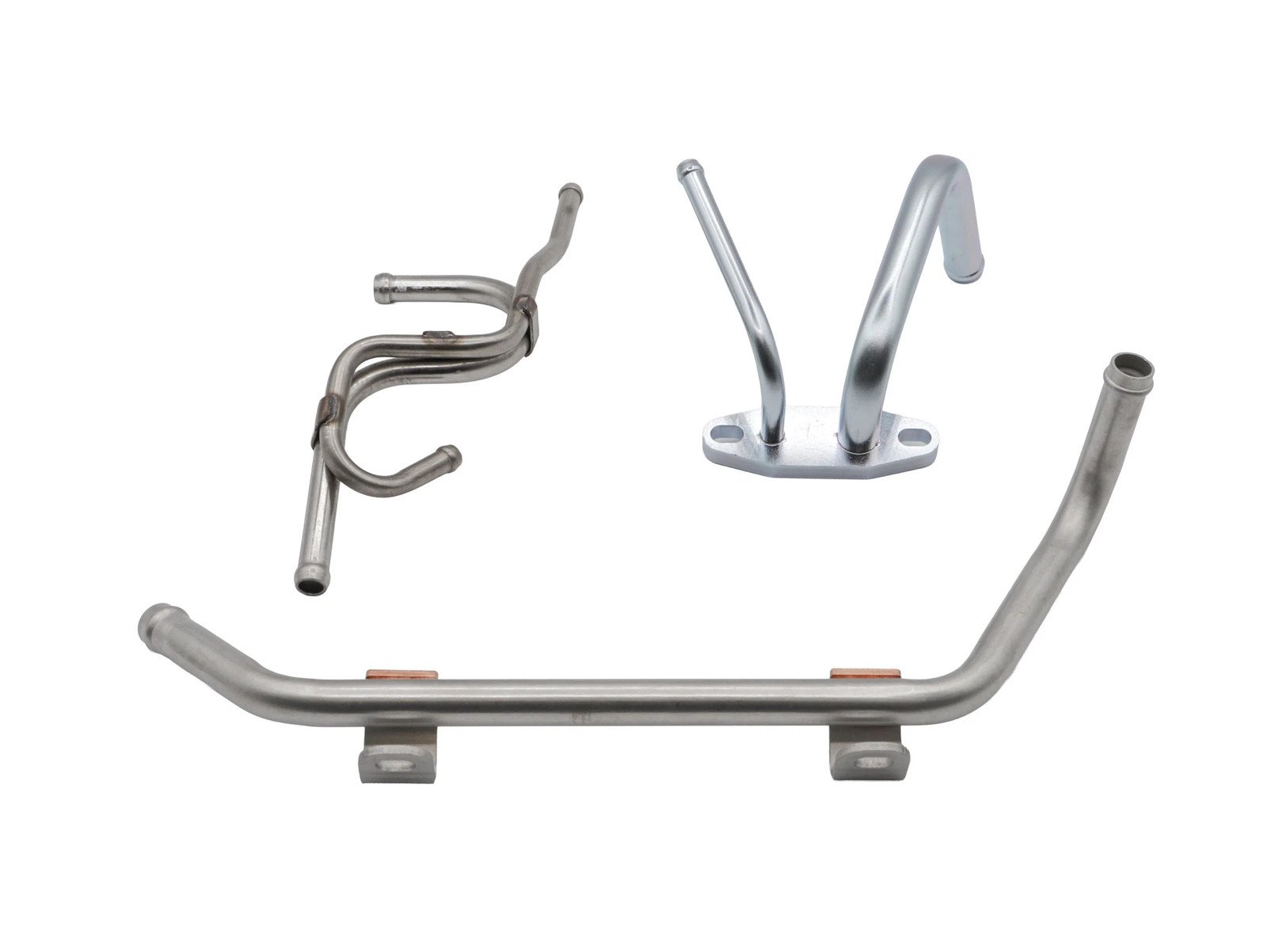
The system includes custom-molded coolant lines designed to follow the factory routing.
Additionally, the EVAP system uses molded adapters and lines that replicate the original equipment geometry.
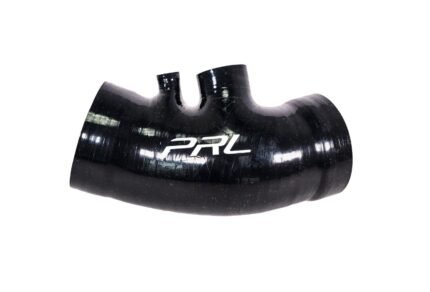
The package also includes high-temperature silicone connections and 304 stainless-steel clamps.
Consequently, installation maintains a clean appearance while providing secure connections throughout the intake system.
PRL describes the kit as plug-and-play, with brackets and installation components included.
No ECU calibration is required for the listed application.
However, compatibility is specifically limited to 2018–2022 Accord 2.0T models using the PRL HVI.
Therefore, confirm your existing intake system before purchasing this upgrade.
Professional installation can help ensure proper routing, sealing, clearance, and secure hardware installation.
Build a More Efficient Turbocharged System
The PRL Titanium Turbo Inlet Pipe can complement other carefully selected Accord 2.0T performance upgrades.
Moreover, pairing it with the compatible PRL High Volume Intake creates a complete high-flow induction pathway.
The manufacturer specifically states that this inlet is designed for use with the PRL HVI.
Additional upgrades can include intercoolers, charge pipes, front pipes, and other turbocharger components.
Consequently, the inlet can become an important part of a broader performance-oriented engine build.
The titanium construction also provides a distinctive motorsport-inspired appearance beneath the hood.
Furthermore, replacing aging factory plastic and rubber components can create a cleaner and more refined engine bay.
Actual performance results can vary depending on vehicle condition and supporting modifications.
Therefore, consider the entire intake and turbocharger system when planning additional upgrades.
Always verify fitment, supporting components, and installation requirements before purchasing.
With correct installation, this upgrade provides a smoother induction path and durable construction.
Ultimately, it offers compatible Accord 2.0T owners a practical way to improve airflow and enhance their engine bay.